Power outages can range from a minor inconvenience to a serious threat, impacting everything from food safety and comfort to critical medical devices. That's why a generator isn't just a luxury; for many, it's an essential home backup. But navigating the market to find the right unit – and more importantly, how to spot a genuine sale that offers real value – can feel overwhelming. This comprehensive Generator Buying Guide: How to Spot a Genuine Sale cuts through the noise, equipping you with the knowledge to make a smart, confident purchase.
At a Glance: Your Generator Buying Checklist
- Assess Your Needs First: What devices absolutely must run? How much wattage do you need?
- Choose Your Type: Standby (whole-house, automatic), Portable (flexible, manual), Inverter (portable, quiet, efficient), or Solar (clean, indoor-safe).
- Mind Your Fuel: Gasoline, propane, natural gas, diesel, or solar – each has pros and cons for storage, efficiency, and cost.
- Safety is Non-Negotiable: Plan for outdoor use, carbon monoxide detection, and proper transfer switch connection.
- Calculate Total Cost: Factor in not just the generator's price, but also installation (especially for standby units), fuel, and maintenance.
- Spot a Real Deal: Look beyond big discounts; verify reputation, warranty, and understand timing for best prices.
Why You Need a Generator: Peace of Mind in a Powerless World
Whether you're preparing for unpredictable blackouts, embracing off-grid living, or simply powering your adventures on a camping trip or tailgate, generators deliver crucial energy when you need it most. They safeguard against spoiled food, prevent basement flooding, and ensure vital medical equipment stays running. In short, they offer a tangible layer of security and convenience that’s hard to put a price on.
Understanding Your Options: The Four Main Generator Types
Choosing the right generator starts with understanding the fundamental differences between types. Each serves distinct needs, comes with unique installation and fuel requirements, and varies significantly in cost and capacity.
1. Standby (Whole-House) Generators: The Ultimate Backup
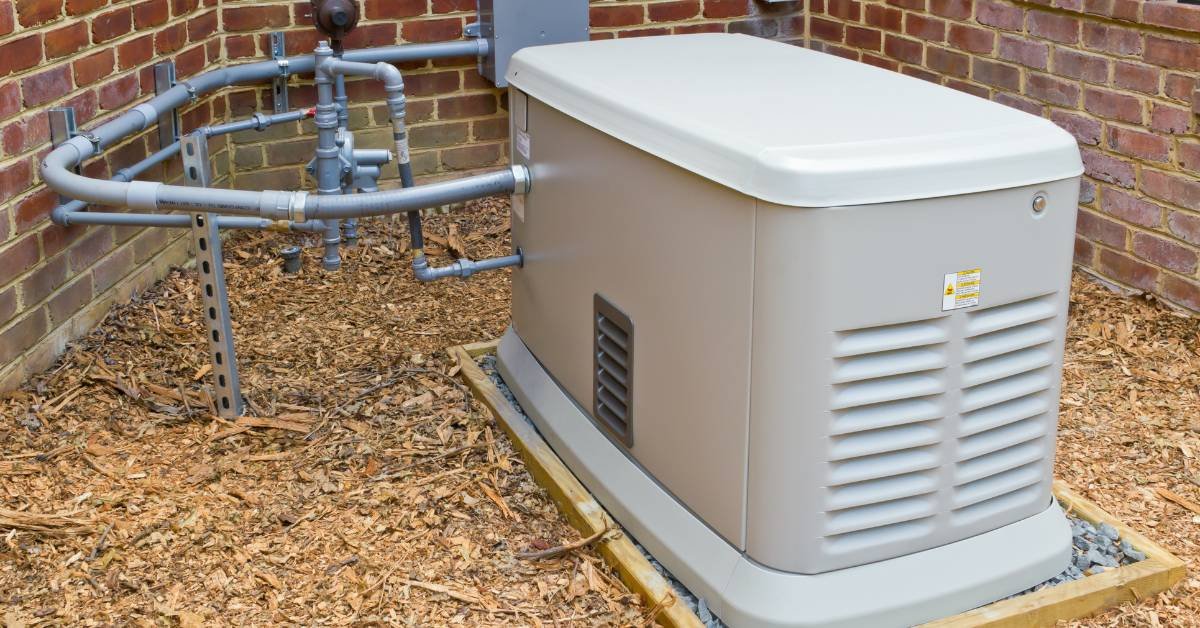
Imagine your power flickers off, and within seconds, your lights come back on – automatically. That's the magic of a standby generator. These heavy-duty champions are hardwired into your home's electrical system by professionals, connecting via an automatic transfer switch.
- How They Work: They constantly monitor your utility power. When an outage occurs, the transfer switch detects it, signals the generator to start, and seamlessly switches your home's power source. When utility power returns, it reverses the process.
- Fuel Source: Primarily run on natural gas (if you have a line) or propane, offering a continuous fuel supply without manual refills for natural gas.
- Power & Use: Designed to power most or all of your home's appliances, from critical essentials to central AC. Outputs typically range from 5,000 to 20,000 watts.
- Pros: Fully automatic, substantial power, safer (no extension cords outside), performs daily self-diagnoses.
- Cons: Most expensive option (product + significant installation costs), permanent installation, less fuel-efficient than some portables.
- Cost: $2,000-$7,000 for the unit alone, with professional installation often doubling or tripling the total cost (starting around $3,000, but often much more).
2. Portable Generators: Versatility on Wheels
Portable generators are your go-to for flexible, on-demand power. They're ideal for powering a few essential devices during a blackout, running tools at a job site, or bringing electricity to outdoor activities.
- How They Work: You manually start them and plug in appliances directly via extension cords, or connect them to a manual transfer switch for home backup.
- Fuel Source: Most commonly gasoline, though dual-fuel models (gasoline/propane) offer more flexibility. Gasoline requires stabilizer for long-term storage and has a limited shelf life.
- Power & Use: Available in various sizes, offering 3,000 to 8,500 watts. Suitable for powering refrigerators, sump pumps, lights, and some smaller appliances.
- Pros: Less expensive than standby units, highly versatile, no permanent installation.
- Cons: Manual operation, fuel storage considerations, cannot be used indoors due to carbon monoxide risk.
- Cost: $400-$3,000, with no installation costs.
3. Inverter Generators: Quiet Power, Efficient Fuel
A specialized type of portable generator, inverter models are the darlings of campers, RV enthusiasts, and anyone who values quiet operation and fuel efficiency.
- How They Work: Unlike traditional portable generators that run at a constant RPM, inverters throttle their engine up and down based on the power demand. This, combined with advanced exhaust systems, results in significantly quieter operation and better fuel economy. They produce clean, stable power, safe for sensitive electronics.
- Fuel Source: Primarily gasoline, some dual-fuel options.
- Power & Use: Ranging from small, lightweight units (900 watts, 30 lbs) perfect for charging phones and laptops, to larger models (up to 7,600 watts, over 250 lbs) that can handle major appliances.
- Pros: Much quieter (50-60 decibels vs. 70-80+ for standard portables), more fuel-efficient, cleaner emissions, safe for sensitive electronics.
- Cons: Generally more expensive than comparable standard portable generators, can be heavier at higher wattages.
- Cost: $400-$5,000. For more on these efficient machines, explore the advantages of inverter generators.
4. Solar Generators (Portable Power Stations): Silent, Emission-Free Power
These aren't generators in the traditional sense, but rather large, rechargeable battery packs. They're a fantastic option for eco-conscious users or those living in apartments where gas generators are a no-go.
- How They Work: They store energy in an internal battery, charged either from a wall outlet or via solar panels. They then convert that stored DC power to AC power for your devices.
- Fuel Source: The sun (or your wall outlet) – no gasoline, propane, or diesel needed.
- Power & Use: Quiet, emission-free, and safe for indoor use. Best for short-term power or a limited number of devices due to battery runtime. Outputs typically range from 1,800 to 6,000 watts.
- Pros: Silent, zero emissions, no fuel storage, safe for indoor use, low maintenance.
- Cons: Limited runtime, can be expensive, reliance on sunlight for charging (unless charging from AC), less powerful for whole-home solutions.
- Cost: $1,500-$4,000. A battery backup system can be a great complement to solar generation.
Sizing Your Generator: Don't Guess, Calculate!
One of the biggest mistakes buyers make is underestimating their power needs. A generator that's too small is useless; one that's too large is an unnecessary expense. Here's how to figure it out:
- List Your Essentials: Walk through your home and list every device you absolutely must power during an outage. Think refrigerator, sump pump, furnace fan, essential lights, well pump, medical devices, and possibly a computer or TV.
- Find the Wattage: Look for the wattage (running watts) listed on the device's label. For motor-driven appliances (refrigerators, AC units), you'll also need to consider their starting watts, which can be 2-3 times higher than running watts. Most generator manufacturers provide a starting wattage calculator or guide.
- Add it Up: Sum the running watts of all the devices you want to power simultaneously. Then, identify the single appliance with the highest starting wattage and add that difference to your running total.
- Example Wattages:
- Refrigerator: 600 watts
- Sump pump: 750-1,500 watts
- Portable heater: 1,500 watts
- Window air conditioner: 1,000 watts
- Lights (per bulb): 5-80 watts
- Computer: 60-300 watts
- Typical Home Needs: A typical home often requires around 5,000 watts to cover necessities, while a 20kW generator can comfortably power most home devices.
When in doubt, it's always better to slightly overestimate your needs. A little extra capacity offers flexibility and prevents overloading your unit.
Fueling Your Choice: Understanding Different Power Sources
Your generator's fuel type significantly impacts its convenience, cost, and storage requirements.
- Gasoline: Most common for portable generators due to its high energy density and widespread availability.
- Pros: Readily available.
- Cons: Requires fuel stabilizer for storage, limited shelf life, relatively high fire hazard, and cannot be stored indefinitely.
- Propane: Popular for standby units and a good backup for dual-fuel portables.
- Pros: Clean-burning, longer shelf life than gasoline, less risky to store, affordable.
- Cons: Less energy-efficient/powerful than gasoline, tanks need to be refilled or exchanged.
- Diesel: Common for larger portable and industrial generators.
- Pros: Stores longer than gasoline, lower fire hazard, very fuel-efficient.
- Cons: Louder, typically more expensive generators, diesel fuel can gel in cold weather.
- Natural Gas: Exclusively for standby generators connected directly to a home's gas line.
- Pros: Nearly limitless, self-feeding supply – no refueling needed, very clean-burning.
- Cons: Less energy-efficient than other fuels, fixed installation, dependent on gas lines remaining intact during an emergency.
- Solar Energy: Only for solar generators/portable power stations.
- Pros: Free, clean, silent, emission-free.
- Cons: Dependent on sunlight, limited by battery capacity, generally lower wattage output for continuous heavy loads.
Understanding different generator fuel types will help you pick the best match for your lifestyle.
Safety First: Non-Negotiable Rules for Generator Use
A generator is a powerful tool, but it demands respect and adherence to strict safety protocols. Ignoring these can have lethal consequences.
- Carbon Monoxide (CO) is a Silent Killer: Never, ever operate a gas-powered generator in an enclosed area – not a garage, basement, or even partially open shed. CO is colorless, odorless, and deadly.
- Outdoor Placement is Key: Operate gas generators outdoors, at least 20 feet from your home, and away from windows, doors, and intake vents. Direct the exhaust away from any structures.
- Maintain Distance: Keep the generator at least 5 feet from surrounding surfaces (walls, fences, bushes) to ensure proper ventilation and prevent overheating or fire hazards.
- Install CO Detectors: Have working carbon monoxide detectors on every level of your home, especially near sleeping areas. Test them regularly.
- Proper Connections: Connect your generator to your home's electrical system ONLY via a professionally installed transfer switch or interlock kit. Backfeeding power directly into your home's main panel is illegal, extremely dangerous, and can electrocute utility workers.
- Extension Cord Caution: If using extension cords with portable generators, ensure they are heavy-duty, properly rated for outdoor use, and can handle the wattage of the appliances plugged into them. Avoid overloading cords.
- Stay Dry: Shield portable generators from rain and wet conditions with a canopy or generator tent. Never operate a generator with wet hands or while standing in water.
- Cool Down Before Refueling: Never refuel a hot generator. Allow it to cool completely to prevent fuel ignition.
- Read the Manual: This isn't a suggestion, it's a command. Every generator model has specific operating instructions and safety warnings. Read your owner's manual cover-to-cover. For more essential advice, check out essential generator safety tips.
Connecting to Your Home: Transfer Switches & Interlock Kits
To safely power hardwired appliances like lights, furnaces, or well pumps with a portable generator (or connect a standby unit), you need a proper connection system.
Transfer Switches
A transfer switch is a critical safety device that separates your home's electrical system from the utility grid before connecting to your generator.
- How They Work:
- Automatic Transfer Switches (ATS): Used with standby generators, these detect power outages and automatically switch your home's power source from the utility grid to the generator.
- Manual Transfer Switches (MTS): Used with portable generators, these require you to manually flip a switch to disconnect from the grid and connect to the generator.
- Benefits: Powers hardwired items, prevents dangerous backfeeding, mitigates the need for numerous extension cords.
- Installation: Requires a licensed electrician, costing $500-$900 typically. Usually recommended for generators of 5,000 watts or more.
Interlock Kits
A more budget-friendly alternative for portable generators, an interlock kit works directly with your existing electrical panel.
- How They Work: An interlock device physically prevents the main utility breaker and the generator breaker from being "on" at the same time. This ensures you can't accidentally backfeed power into the grid.
- Benefits: Allows a portable generator to power select circuits in your entire home's circuit panel safely. Less expensive than a full transfer switch.
- Cost: $100-$200 for the kit, plus electrician installation.
Key Features to Look For: Beyond Just Watts
Beyond power output and fuel type, modern generators offer a range of features that enhance safety, convenience, and longevity.
- Automatic Carbon Monoxide (CO) Shutoff: A vital safety feature that automatically shuts down the engine if dangerous CO levels are detected. Look for ANSI/UL2201 or ANSI/PGMA G300 certifications.
- Low-CO Engine: Generators designed to produce significantly less carbon monoxide.
- Automatic Start: Common in standby generators, this feature allows the unit to start automatically upon power loss. Some high-end portable generators also offer this.
- Electric Start: Say goodbye to pull-cords! Push-button, switch, or remote start makes firing up your generator effortless. (Note: Battery may be sold separately).
- Low-Oil Shutoff: Protects your engine by automatically turning off the generator if oil levels drop too low.
- Fuel Gauge: Essential for gas/diesel generators, helping you track fuel levels and plan refills.
- Noise Level: Measured in decibels (dB). Quieter generators run around 50-60 dB (conversation level); louder ones can be 90-100 dB (like a lawnmower). Inverter generators excel here.
- Alternative Fuel Capacity: Some portable generators are designed to run on propane or natural gas in addition to gasoline, or can be converted. This provides greater flexibility.
- Multiple Outlets: Four or more outlets allow you to distribute the power load efficiently.
- Removable Console: A convenient feature that lets you plug in appliances without needing risky extension cords running outdoors.
Understanding the Real Cost: More Than Just the Price Tag
The sticker price is only part of the equation, especially for larger units. Budget wisely by considering all cost factors.
- Generator Unit Cost:
- Standby: $2,000-$7,000.
- Portable: $400-$3,000.
- Inverter: $400-$5,000.
- Portable Power Stations: $1,500-$4,000.
- Installation Costs (primarily for Standby): This is where costs can significantly escalate. Factors include:
- Generator Placement: How far it is from your home's electrical panel and natural gas line.
- Conduit Runs: Long runs for electrical and gas lines add expense.
- Electrical Updates: Your existing panel might need upgrades to handle the new load.
- Lack of Natural Gas Access: If you don't have a natural gas line, you'll need to install a large propane tank, which adds considerable cost and complexity.
- Permits: Local permits are almost always required for standby generator installation.
- Expect installation to range from $3,000 to $10,000+, potentially more than doubling the generator's price.
- Fuel Costs: Ongoing expense. Factor in current fuel prices and your estimated usage.
- Maintenance: Regular oil changes, spark plug replacements, and general upkeep are necessary to ensure longevity.
- Accessories: Covers, extension cords, fuel stabilizers, and transfer switches/interlock kits all add to the initial investment.
How to Spot a Genuine Sale: Separating Deals from Duds
The "Generator Buying Guide: How to Spot a Genuine Sale" isn't just about finding the cheapest price; it's about finding the best value. A genuine sale offers a quality product at a significantly reduced price, without compromising on reliability or support.
When to Look for Sales: Timing is Everything
- Off-Season Discounts: The best time to buy a generator is typically before storm season. Retailers often offer discounts in late spring or early summer to clear inventory before hurricane season (for coastal areas) or peak winter (for northern regions). Black Friday, Cyber Monday, and pre-holiday sales can also yield good deals.
- End-of-Model-Year Clearances: When new models are introduced (often in late summer or fall), previous year's models might see significant price drops.
- Retailer Promotions: Keep an eye on major home improvement stores and outdoor equipment retailers. They frequently run promotions, especially around long weekends (Memorial Day, Labor Day) or specific sales events.
- Don't Wait for a Crisis: The absolute worst time to buy a generator is during or immediately after a widespread power outage. Prices skyrocket due to demand, selection dwindles, and "deals" are often non-existent or inflated.
What Makes a Sale "Genuine"?
- Reputable Retailer: Buy from established dealers or well-known online retailers. This ensures you're getting authentic products, proper warranty support, and reliable customer service. Be wary of obscure websites with unbelievably low prices.
- Verify Original Price: Before celebrating a "50% off!" banner, check the generator's historical pricing. Has the "original price" been inflated just to make the sale look better? Tools like online price trackers can help you see past price fluctuations.
- Check the Model Number: Ensure the sale item is the exact model you researched. Sometimes retailers will put older or less popular models on deep discount, which might not meet your specific needs.
- Warranty & Support: A genuine sale won't compromise on the manufacturer's warranty. Ensure the generator comes with a full, valid warranty. Also, consider the availability of parts and service for the brand. Brands like Generac (a leading U.S. manufacturer), Honda (known for inverter models), Briggs & Stratton, and Champion generally have good support networks. Even Ryobi offers models with low-carbon-monoxide engines and decent support.
- Shipping & Return Policies: For online purchases, factor in shipping costs (generators are heavy!) and understand the return policy. A "deal" isn't a deal if you're stuck with a faulty unit or pay exorbitant shipping.
- No Hidden Fees: Read the fine print. Are there extra "processing" fees, extended warranty push-backs, or mandatory accessories that inflate the final price?
- Customer Reviews: Check recent reviews specifically for the model on sale. Are buyers happy with its performance, reliability, and the retailer's service?
- Installation Included? For standby generators, sometimes a "sale" price might include a basic installation package. Always get a detailed quote that breaks down the generator cost versus the installation cost.
When you're ready to make a move, you can always Browse generators on sale from various retailers.
Navigating AC vs. DC Power
You might occasionally see references to AC and DC power in your generator research.
- AC (Alternating Current): This is the standard power type for household appliances in the US. Most generators produce AC power directly.
- DC (Direct Current): This is the power found in batteries. Solar generators (portable power stations) inherently deal with DC power for storage and often have DC outputs (like USB ports). For general household use, their internal inverters convert the stored DC power to AC.
The vast majority of household needs will require AC output from your generator.
Your Next Step: Confident Generator Ownership
Armed with this knowledge, you're no longer just buying a generator; you're making an informed investment in your home's resilience and comfort. Take the time to assess your specific needs, compare features and prices across different types, and always prioritize safety. By understanding the true cost and how to identify a legitimate deal, you'll be well-prepared to spot that genuine sale and secure the reliable power backup you deserve.