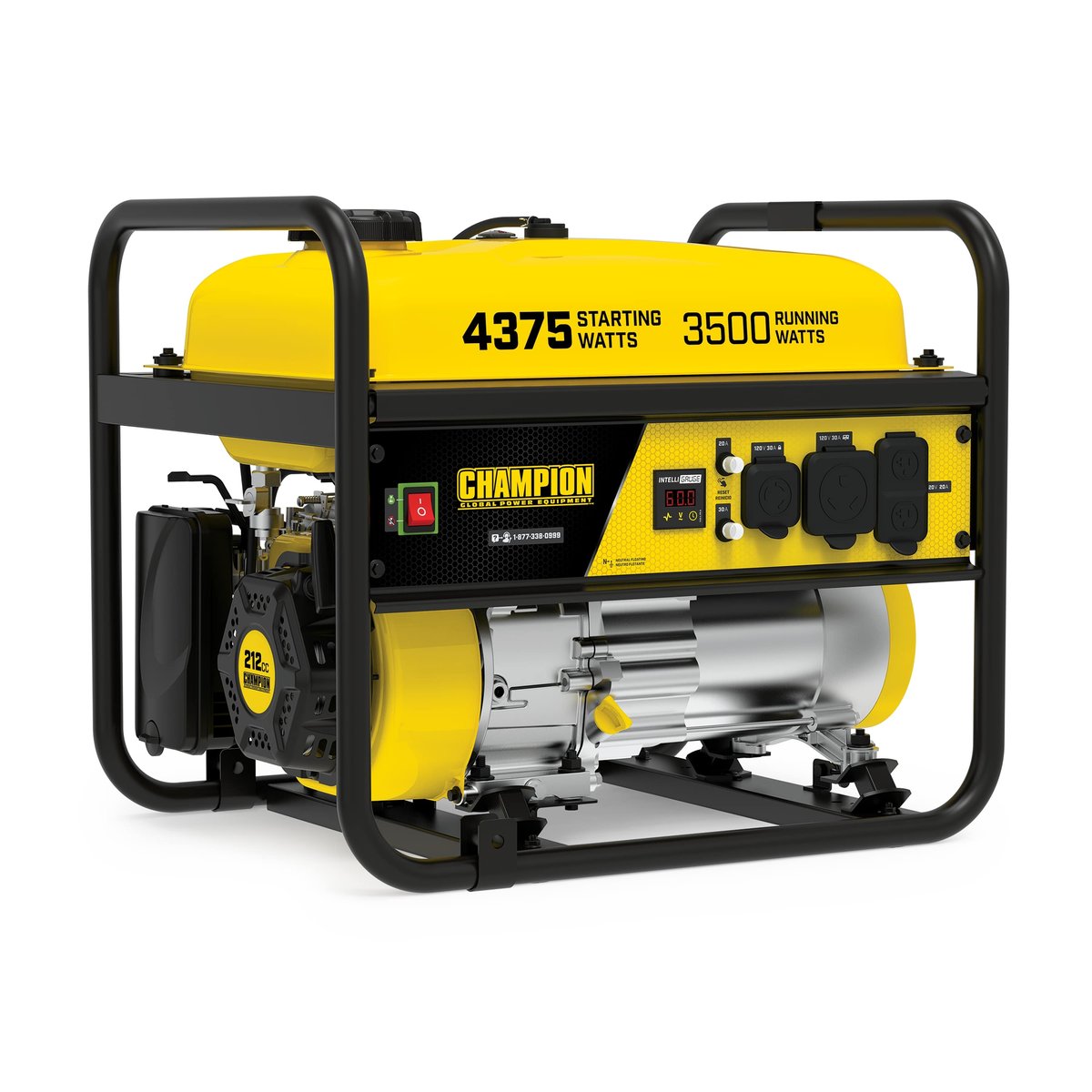
Power outages are more than just an inconvenience; they can disrupt lives, damage property, and even pose safety risks. That's why a reliable generator is a must-have for many homeowners and businesses. But let's be honest: these aren't small purchases. Finding a great deal on a generator—whether you're scouring the internet or walking the aisles of your favorite store—can save you a significant chunk of change without compromising on quality. This guide will help you navigate exactly Where to Find the Best Generator Deals Online & In-Store, ensuring you make a smart, informed decision that powers your peace of mind.
Getting a generator shouldn't feel like a high-stakes gamble. With a little strategic planning and insider knowledge, you can pinpoint fantastic opportunities to save, ensuring your home or project is prepared for anything without breaking the bank.
At a Glance: Your Quick Guide to Generator Deals
- Timing is Key: Look for deals around major holidays (Black Friday, Labor Day, Memorial Day) or during seasonal shifts (e.g., late summer for storm preparedness, or late winter for camping models).
- Know Your Needs: Before you even look at prices, determine the type, wattage, and fuel source you require. A "deal" on the wrong generator is no deal at all.
- Check Multiple Channels: Online giants, big-box stores, specialty retailers, and even local hardware shops all offer unique opportunities.
- Don't Ignore Open Box/Clearance: These items often carry significant discounts, sometimes with full warranties intact.
- Factor in Hidden Costs: Shipping, accessories, and potential installation can add up.
Why a Smart Generator Purchase is More Than Just a Price Tag
Buying a generator is an investment in security and functionality. It's not just about keeping the lights on; it's about powering critical medical equipment, protecting food in your fridge, keeping your business running, or even making your remote job possible during an outage. Because of this critical role, chasing the absolute lowest price without considering quality, warranty, or the specific features you need can lead to costly regrets down the line.
Our goal isn't just to find you the cheapest generator, but the best value generator for your specific requirements. This means understanding the market, knowing where the legitimate discounts lie, and being prepared to act when those opportunities arise.
Before the Hunt: Defining Your Generator Needs
Before you even think about "deals," you need to know what kind of generator you're actually looking for. This clarity will prevent you from getting sidetracked by irrelevant discounts.
What Type of Generator Suits You Best?
Generators come in a few main flavors, each with its own benefits and typical price points:
- Portable Generators: These are the most common for homeowners. They're movable, versatile, and suitable for backing up essential circuits or powering tools on a job site. They require manual setup during an outage.
- Inverter Generators: A type of portable generator known for producing clean power (safe for sensitive electronics) and being quieter and more fuel-efficient. They often come at a premium but are worth it for RVing, camping, or sensitive home use.
- Standby Generators: Permanently installed outside your home, these automatically kick on minutes after an outage, connecting directly to your electrical system via an automatic transfer switch. They're the ultimate in convenience and peace of mind, but represent a much larger investment.
Sizing It Up: Wattage and Power Requirements
The most critical factor is wattage. You need enough power to run the essential appliances and systems you plan to connect.
- Start-up Watts (Surge Watts): The brief burst of power an appliance needs to start (e.g., a refrigerator compressor).
- Running Watts (Rated Watts): The continuous power an appliance needs to operate.
Make a list of everything you want to power, find their running and starting watts (usually on the appliance label or in its manual), and sum them up. Aim for a generator whose running watts exceed your total running needs, and whose surge watts can handle the highest starting load of any single item. Overlooking this step often leads to buying an underpowered unit, which is a waste of any "deal."
Fueling Your Choice: Gas, Propane, Diesel, or Dual-Fuel?
The fuel type impacts cost, storage, and availability:
- Gasoline: Most common, widely available, but has a shorter shelf life and can be difficult to get during widespread outages.
- Propane: Cleaner burning, longer shelf life, safer to store, but can be less fuel-efficient than gasoline.
- Diesel: Common for larger, commercial-grade units; efficient and durable, but fuel can gel in cold weather.
- Dual-Fuel/Tri-Fuel: Offer flexibility by running on multiple fuel types (e.g., gasoline and propane). These provide excellent versatility, especially if one fuel source becomes scarce.
Essential Features to Look For
Don't let a low price distract you from critical features that enhance safety, ease of use, and longevity:
- Electric Start: A push-button start is far more convenient than a pull cord, especially in an emergency.
- GFCI Outlets: Ground-Fault Circuit Interrupter outlets protect against electric shock.
- Automatic Low-Oil Shutoff: Prevents engine damage if oil levels drop too low.
- Fuel Gauge: Essential for monitoring runtime.
- Automatic Transfer Switch (for standby generators): Crucial for seamless, automatic power restoration.
- Portability Kits: Wheels and handles for easier movement of portable units.
- Noise Level (Decibels): Especially important for inverter generators or if you have close neighbors.
With your needs clearly defined, you're ready to start hunting for the perfect generator deal.
Where to Find Generator Deals: The Online Landscape
The internet is a treasure trove of discounts, but it requires a strategic approach. Online retailers often have lower overheads and can pass those savings on, plus they offer convenience and a vast selection.
1. Major Online Retailers & Home Improvement Giants
These are your first stops for selection and competitive pricing. They frequently run sales events.
- Amazon: A vast marketplace with generators from countless brands. Look for "Today's Deals," "Lightning Deals," and specific seasonal sales (Prime Day is a big one). Don't just search "generators"; try "generators on sale" or filter by "deals."
- The Home Depot & Lowe's: These home improvement behemoths offer a wide range of generators, from small portables to large standby units. Their websites often feature online-exclusive deals, clearance items, and "Special Buy of the Day." They also allow for in-store pickup, saving on shipping.
- Best Buy: While primarily known for electronics, Best Buy also carries a respectable selection of inverter and portable generators, especially from brands like Westinghouse and Generac. Keep an eye on their "Deal of the Day" and "Top Deals" sections for unexpected generator discounts.
- Walmart & Target: For smaller, more consumer-focused portable or inverter generators, these general merchandise giants can sometimes offer surprisingly competitive prices, particularly during holiday sales or closeouts.
Pro Tip: Always check both the retailer's main product page and their dedicated "deals" or "clearance" sections. Sometimes the best discounts are hidden there.
2. Specialty Generator Retailers & Manufacturer Direct
For a wider selection of high-end models, more technical support, or specific brands, consider dedicated generator sellers.
- Generac, Westinghouse, Honda Power Equipment (and other manufacturer websites): While they might not always offer the absolute lowest prices, manufacturers sometimes have factory-direct sales, offer refurbished units with warranties, or provide exclusive bundles (e.g., generator + cover + accessories). Signing up for their email lists can alert you to these unique opportunities.
- Electric Generators Direct: A specialized online retailer focusing solely on generators. They often have robust comparison tools, detailed product information, and competitive pricing, sometimes running sales on specific brands or models.
3. Online Marketplaces & Auction Sites (Proceed with Caution!)
These platforms can offer steep discounts, but they come with increased risk.
- eBay: You can find new, used, and refurbished generators here. Private sellers, authorized dealers, and even manufacturer outlets use eBay. Caveat: Verify seller reputation, check return policies, and understand if the warranty transfers. For used generators, ask for detailed photos and service history.
- Facebook Marketplace/Craigslist: Local sales often mean no shipping costs, but require careful inspection. Caveat: Always meet in a public place, bring a friend, and inspect the generator thoroughly before purchasing. Be wary of prices that seem "too good to be true."
4. Coupon and Deal Aggregator Sites
Let others do the deal-hunting for you.
- Slickdeals, RetailMeNot, Coupons.com: These sites compile deals, coupons, and promo codes from various retailers. Users often post their finds, and the community votes on the best deals. Set up deal alerts for "generators" to be notified instantly.
When browsing online, remember to compare not just the base price, but also shipping costs, sales tax, and the retailer's return policy. A "deal" might disappear once shipping for a heavy generator is factored in.
Shop generators on sale now and discover fantastic deals on a wide range of models, from portable powerhouses to reliable standby units.
Where to Find Generator Deals: The In-Store Advantage
While online shopping offers convenience, physical stores provide unique opportunities that online platforms can't replicate.
1. Big Box Home Improvement Stores (The Home Depot, Lowe's)
These stores are perhaps the most popular destinations for generator purchases, and for good reason.
- Clearance Sections: Often tucked away, these sections can hold display models, returned items, or discontinued models at significant markdowns. Ask an associate if they have any "open box" or "return" generators—these might not be on the main floor.
- Seasonal Sales: As mentioned, these stores aggressively discount generators around major holidays and at the end of peak seasons. Think post-hurricane season in warm climates, or after winter in colder regions for snow blowers, which sometimes ties into generator sales.
- Floor Models: Sometimes, a floor model that's been on display might be offered at a discount, especially if a new shipment is coming in.
- Manager Markdowns: Don't be afraid to ask a department manager if they can do better on a price, especially on a damaged box item or a model that's been sitting for a while.
2. Warehouse Clubs (Costco, Sam's Club)
Membership clubs are known for offering competitive prices on bulk items and often feature excellent deals on larger purchases like appliances and generators.
- Member-Exclusive Pricing: Their power lies in buying power. You'll often find popular generator brands at prices that rival or beat other retailers.
- Seasonal Availability: Generators tend to appear in stock during peak seasons (pre-storm season) and often go on sale as that season winds down.
- Strong Return Policies: Costco, in particular, is famous for its generous return policy, which can offer peace of mind for a big purchase.
3. Local Hardware Stores & Independent Dealers
Don't underestimate your local options. While they might not always match the sheer volume of sales from big box stores, they offer unique benefits.
- Personalized Service: Expert advice tailored to your specific needs is invaluable. They can help you size correctly and understand installation requirements.
- Special Orders & Bundles: Local dealers might be able to offer custom bundles or place special orders directly from manufacturers at a discount.
- Relationship Building: A good relationship with a local dealer can lead to better deals on servicing, accessories, or future purchases. They might also be more willing to negotiate, especially on higher-end models.
- Open Box/Demo Units: Just like big box stores, local dealers sometimes have floor models or demo units they're willing to sell at a reduced price.
4. Department Stores (Walmart, Target)
For smaller, more budget-friendly portable or inverter generators, check the outdoor or seasonal sections of these stores, especially during post-holiday clearance events. While they won't carry large standby units, you might find a decent deal on a smaller recreational generator.
When shopping in-store, remember to check the box for damage, confirm all accessories are present, and ask about the return policy and warranty directly with a sales associate.
Timing is Everything: When to Bag a Bargain Generator
The secret to finding the best deals often boils down to timing. Retail cycles and consumer demand play a huge role in pricing.
1. Seasonal Sales & Holiday Events
This is prime time for discounts across all retail categories, and generators are no exception.
- Black Friday & Cyber Monday (November): Hands down, one of the best times to buy. Retailers offer doorbuster deals and deep discounts to kick off the holiday shopping season. Start researching models before November.
- Labor Day (Early September): A strong contender for generator sales, as it's often seen as the last major push for outdoor equipment before winter. It also coincides with the peak of hurricane season in some regions, leading to competitive pricing.
- Memorial Day (Late May): Similar to Labor Day, this marks the unofficial start of summer, and retailers often discount items for outdoor living and storm preparedness.
- Prime Day (July, for Amazon): If you're an Amazon Prime member, this annual event can yield excellent deals on portable and inverter generators.
- End-of-Year/New Year's Sales (December/January): Retailers clear out old inventory to make room for new models. This is a great time to find deals on the previous year's models.
2. Off-Season Buys
Buying when demand is low is a classic strategy for saving money.
- Late Winter/Early Spring: After the peak winter storm season and before the summer camping/hurricane season, demand for generators typically dips. Retailers might offer discounts to move inventory.
- Late Summer/Early Fall (for specific models): For camping-focused inverter generators, once the prime camping season ends, you might see prices drop. Conversely, for large home backup generators, demand often rises during hurricane season, so buying before the season peaks (late spring/early summer) can sometimes yield better prices.
3. New Model Releases
When manufacturers release updated versions of their generators, the older models often go on sale. Keep an eye on industry news or manufacturer websites to anticipate these releases. The "older" model is often still a fantastic, reliable machine, just without the latest bells and whistles, making it a perfect candidate for a deal.
4. Post-Disaster Sales (Ethical Consideration)
While it might seem opportunistic, sometimes after a major weather event, retailers will restock and offer sales to help communities rebuild. However, demand will be very high, and prices may also surge. It's generally better to buy before you need it.
Savvy Shopping Strategies for Generators
Beyond knowing where and when to look, these tactics will sharpen your deal-hunting skills.
1. Price Matching Policies
Many large retailers (Home Depot, Lowe's, Best Buy, Walmart) offer price matching. If you find a better advertised price from a competitor, they might match it.
- How to Do It: Print out the competitor's ad or pull it up on your phone. Make sure the item is identical (model number, brand, features). Be aware of exclusions (e.g., clearance items, limited-quantity deals, or prices from auction sites are often excluded).
2. Consider Open Box, Refurbished, or Scratch & Dent
These categories can offer significant savings, but inspect carefully.
- Open Box: The item was purchased, opened, and returned. It might be perfectly fine, just not "new in box." Check for all parts and ensure it powers on.
- Refurbished: Often a factory-serviced item that has been restored to like-new condition. Major manufacturers often sell refurbished units with a limited warranty. This can be a very safe way to save.
- Scratch & Dent: Minor cosmetic damage, but fully functional. If you don't mind a ding or two, you can save a lot.
- Important: Always confirm the warranty status for open box or refurbished items. Will it be the full manufacturer's warranty, a limited warranty, or no warranty?
3. Bundle Deals
Sometimes, the best "deal" isn't just on the generator itself, but on a package. Retailers might bundle a generator with essential accessories like:
- Generator Cover: Protects against weather.
- Wheel Kit: Makes portable generators truly portable.
- Transfer Switch: For connecting a portable generator to your home's electrical system (often with standby units, too).
- Oil & Funnel: Essential for the first use.
- Extension Cords: Heavy-duty, outdoor-rated cords.
Calculate if the bundle price offers a better overall value than buying each component separately.
4. Sign Up for Email Alerts and Newsletters
This is a passive but powerful strategy. Major retailers, specialty stores, and even manufacturers frequently send out email blasts announcing sales events, new products, and exclusive discounts. Sign up for a few key players and keep an eye on your inbox. Many even offer a discount on your first purchase just for signing up.
5. Don't Be Afraid to Negotiate (Especially at Local Stores)
While less common at big box stores, independent dealers might have more flexibility, especially on higher-priced items or if you're buying multiple items. A polite inquiry about their "best price" or asking if they have any upcoming promotions can sometimes yield surprising results.
6. Understand Warranties and Return Policies
A great deal loses its luster if the generator breaks down a month later and you have no recourse.
- Manufacturer Warranty: Understand the length and what it covers (parts, labor, transportation).
- Retailer Return Policy: How long do you have to return it? Is there a restocking fee? Can you return a gassed-up unit? (Many stores won't accept returns on items that have had fuel in them for safety reasons).
Pitfalls to Avoid When Chasing a Deal
While hunting for savings is smart, some "deals" are simply traps.
1. "Too Good to Be True" Pricing
If a brand-new, top-tier generator is being sold for significantly less than anywhere else, proceed with extreme caution. This is a common indicator of a scam, a counterfeit product, or a stolen item. Always verify the seller and the product.
2. Ignoring Shipping Costs and Logistics
Generators are heavy. Shipping can be expensive, sometimes negating any upfront savings. Always factor in the total cost, including shipping, especially for online purchases. Also, consider the logistics of receiving it—do you need liftgate service, or can you pick it up yourself?
3. Buying Underpowered or Oversized
A deal on a 2000-watt inverter generator is useless if you need 7500 watts for your home. Conversely, buying a massive standby unit when a portable would suffice is an unnecessary expense, regardless of the discount. Stick to your determined wattage needs.
4. Neglecting Reviews and Brand Reputation
A cheap, no-name generator might seem appealing, but it could be unreliable, inefficient, or difficult to service. Stick to reputable brands like Generac, Honda, Westinghouse, Champion, Ryobi, DuroMax, etc., that have a track record of quality and customer support. Always read recent user reviews, paying attention to common complaints.
5. Overlooking Safety Features
Bargain-basement generators might skimp on essential safety features like GFCI outlets, low-oil shutoff, or proper grounding. Never compromise on safety for a lower price.
6. Neglecting Maintenance and Fuel Storage
Even the best deal on a generator becomes a liability if it's not properly maintained or if you don't have suitable fuel on hand. Factor in the cost and effort of regular maintenance when making your purchase decision.
Common Questions & Misconceptions About Generator Deals
Let's clear up some common doubts.
Are Cheaper Generators Inherently Unreliable?
Not always. While premium brands often offer superior components and features, many budget-friendly brands (like Champion or DuroMax) have significantly improved their quality and reliability over the years, offering excellent value. The key is to research specific models and read reviews, rather than dismissing an entire price bracket.
Is Buying a Used Generator a Good Deal?
It can be, but it's the riskiest option. You lose the manufacturer's warranty, and you might inherit someone else's problems. If buying used, always:
- Inspect it thoroughly (look for rust, leaks, damage).
- Ask for service records and run hours.
- Start it up and test it under a load if possible.
- Check the oil and air filter.
- Factor in potential repair costs.
For most homeowners, the peace of mind of a new or factory-refurbished unit with a warranty outweighs the potential savings of a used model.
Do I Need an Extended Warranty for a Generator I Got on Sale?
Extended warranties are often a mixed bag. For generators, especially complex standby units, they might offer value if they cover parts and labor for a significant period beyond the manufacturer's warranty. For smaller portable units, often the cost of the extended warranty approaches the cost of a new generator or major repair, making it less worthwhile. Read the fine print carefully: what exactly is covered, and what's the deductible?
Can I Install a Standby Generator I Found on Sale Myself?
Absolutely not, unless you are a licensed electrician and gas fitter. Standby generators connect directly to your home's electrical system and natural gas/propane lines. Improper installation is extremely dangerous and can void warranties or lead to code violations. A DIY deal on a standby generator always requires professional installation. Portable generators are generally plug-and-play, but always follow manufacturer instructions and proper safety protocols (like never running indoors).
Your Next Steps: Sealing the Deal Confidently
Finding a great generator deal is about preparation, patience, and persistence. You now have the roadmap.
- Re-evaluate Your Needs: Double-check your wattage requirements, preferred fuel type, and essential features. This is your non-negotiable checklist.
- Set Your Budget (with wiggle room): Know your maximum spend, but be flexible if a slightly more expensive model offers significantly better features or a longer warranty that aligns with your needs.
- Start Browsing Strategically: Begin with the major online retailers and home improvement stores, then expand to specialty sites and local options. Use deal aggregator sites to track price drops.
- Mark Your Calendar: Plan your major purchases around key holiday sales and seasonal shifts.
- Be Ready to Act: The best deals, especially on popular models, can disappear quickly. If you find your ideal generator at a fantastic price from a reputable seller, don't hesitate too long.
- Verify Everything: Before purchasing, confirm the model number, specifications, warranty, return policy, and all-in cost (including shipping/taxes).
- Consider the Long Term: Think about maintenance, fuel storage, and potential installation costs. A cheap generator that sits unused or breaks quickly isn't a deal at all.
Armed with this knowledge, you're not just buying a generator; you're investing in reliable power with the confidence that you've secured the best possible value. Happy hunting, and may your power always stay on!